Featured
Table of Contents
- – Intensive therapy supplies breakthrough outcom...
- – EMDR, IFS and ART modalities master extensive ...
- – Facility injury from misuse responds especiall...
- – Evidence shows enduring adjustment beyond shor...
- – Practical factors to consider shape retreat se...
- – Selecting intensive therapy requires recognizi...
- – The landscape exposes opportunities and reputa...
- New Research Shows Novel Retreat-Based Model Effective for Treating Trauma-Exposed Women
- Eye Movement Desensitization and Reprocessing (EMDR) for PTSD
- Nature is proving to be awesome medicine for PTSD
Extensive treatment retreats compress months of recovery into days with evidence-based injury therapy in immersive, personal settings. These focused restorative experiences supply 6-8 hours of everyday one-on-one treatment over 3-5 consecutive days, replacing conventional weekly 50-minute sessions with constant processing that removes the "activation without resolution" trouble tormenting conventional strategies. Research study demonstrates this isn't just quicker-- Georgetown College's 2021 randomized controlled test found statistically substantial renovations in PTSD symptoms (impact size d= - Therapy for PTSD in East Granby CT.70), clinical depression, and self-compassion maintained at 7 months post-retreat. For injury survivors that've plateaued in typical therapy or can't manage to wait years for recovery, extensive treatment hideaways represent a standard shift backed by neuroscience, professional evidence, and countless transformed lives
The version works due to the fact that trauma memories require complete reprocessing cycles. Weekly treatment usually reopens wounds without time to settle them, requiring customers to return to day-to-day live while emotionally turned on. Extensive formats enable specialists to lead clients via whole recovery arcs-- targeting a stressful memory, processing linked emotions, setting up adaptive ideas, and accomplishing somatic tranquility-- all within constant sessions. As the Trauma Institute keeps in mind, "1 retreat day equates to 2 months of regular therapy, but results are significantly much more powerful as a result of the connection of the job."
Intensive therapy supplies breakthrough outcomes where standard approaches plateau
The essential difference between extensive treatment hideaways and conventional once a week sessions centers on momentum and depth. Typical therapy requires 5-10 mins of "capturing up" each week, pieces restorative job across months, and threats psychological re-armoring between sessions. Extensive retreats remove these challenges. Clients become their specialist's sole emphasis for consecutive days, diving deeper right into origin instead than constantly handling surface symptoms.
Time effectiveness shows exceptional: What normally needs 20-30 regular sessions often settles in 3-5 resort days. This isn't about rushing-- it's about bring back therapy to its ideal layout. EMDR, for example, was initially designed for 90-minute sessions; insurance coverage restrictions compelled the 50-minute criterion that reduces performance. Psychology Today's 2025 testimonial notes that extensive EMDR methods supplied over 2 weeks revealed equal efficiency to 8-week protocols, with possibly far better completion prices for time-constrained individuals.
The immersive environment intensifies healing. Removing customers from day-to-day triggers, job demands, and family characteristics develops area for vulnerable psychological work. All-natural retreat setups give added restorative advantages: UC Berkeley research study with battle veterans found 29% decrease in PTSD signs after nature immersion programs. The mix of professional professional treatment, natural healing atmospheres, and flexibility from day-to-day distractions produces conditions for development difficult in typical outpatient settings.
EMDR, IFS and ART modalities master extensive styles for injury resolution
3 evidence-based techniques control extensive treatment retreats for trauma: Eye Movement Desensitization and Reprocessing (EMDR), Internal Household Equipment (IFS), and Accelerated Resolution Therapy (ART). Each addresses exactly how terrible memories are saved and refined, making them specifically matched for focused therapy.
EMDR lugs the strongest study support, with 35+ randomized regulated tests and highest possible suggestions from the VA/DoD Clinical Practice Standards, International Culture for Traumatic Stress Research Studies, and UK's National Institute for Health and Medical Quality. The treatment utilizes bilateral stimulation (eye activities, tapping, or audio tones) while customers recall stressful memories, aiding the brain reprocess inadequately kept experiences. Trauma memories obtain "unstuck" from the amygdala and incorporated right into broader memory networks, reducing emotional strength without extensive spoken discussion. This makes EMDR especially beneficial for those that locate it difficult to discuss their trauma.
Inner Household Solutions treatment, designated evidence-based by SAMHSA in 2015, sees the mind as normally several-- composed of protective "components" and wounded "exiles" that carry injury problems. IFS helps clients access their core Self (identified by concern, tranquility, guts, and clarity) to recover damaged components. The technique proves specifically effective for complicated injury and developing injuries, dealing with the fragmentation common in misuse survivors. Over 6,000 licensed IFS experts globally usage this non-pathologizing structure that respects protective systems before coming close to terrible material.
Accelerated Resolution Treatment, acknowledged as evidence-based by the American Psychological Association's Division 12, stands for the newest enhancement to trauma therapy. Established in 2008, ART overviews customers to change adverse trauma images with favorable ones making use of eye motions and volunteer memory reconsolidation. The distinctive advantage: customers do not require to verbally define traumatic information to their therapist, lowering distress while attaining fast results-- usually in simply 1-3 sessions. A 2018 research study of 202 veterans showed substantial PTSD sign alleviation, though researchers note the evidence base stays smaller than EMDR's.
Extensive retreats usually integrate several modalities as opposed to making use of one solely. A specialist might utilize EMDR for memory reprocessing, shift to IFS for parts combination, and incorporate somatic help nerves policy-- all within the very same therapy day. This flexibility permits matching methods per client's demands and feedbacks in real-time.
Facility injury from misuse responds especially well to extensive therapy strategies
Survivors of childhood abuse, sexual trauma, and intricate PTSD frequently battle most in standard regular treatment. The wounds run deep, including accessory disruptions, shame, and fragmented self-concepts that weekly 50-minute sessions can hardly damage. Extensive treatment resorts deal with these difficulties through concentrated time, specialized proficiency, and trauma-informed atmospheres created for safety and security.
For childhood years trauma, Trauma-Focused Cognitive Behavior Modification (TF-CBT) became the most extensively looked into technique, initially developed especially for youngster sexual misuse survivors. When delivered in intensive styles with non-offending caretakers, TF-CBT helps clients develop injury narratives, process stuck memories, and construct guideline skills that may take 8-25 regular sessions however condense into resort days. The extensive format verifies particularly useful given that fragmented childhood years memories require prolonged processing time to integrate.
Sexual misuse treatment demands certain sensitivity around count on, embarassment, and control. The VA's Specialist Treatment Guidelines highlight that 90% of sex-related attack survivors experience PTSD signs and symptoms within 2 weeks, with 50% continuing 3 months post-assault. Extensive styles supply benefits here: clients receive therapy from a solitary relied on specialist in a confidential setting eliminated from area judgment, maintaining total control over speed and disclosure. EMDR and ART specifically benefit sex-related trauma survivors considering that neither needs thorough spoken summary of assault details during processing-- minimizing retraumatization while accomplishing memory desensitization.
The research verifies these approaches. Studies comparing trauma-focused treatments to stabilization-only treatments consistently reveal trauma-focused work generates exceptional end results. The crucial insight: processing traumatic memories at their origin proves extra effective than forever managing signs and symptoms. Intensive formats supply the concentrated time required for this deep handling.
Evidence shows enduring adjustment beyond short-term sign relief
Apprehension concerning "fast solution" methods warrants severe evaluation. Can genuine injury recovery occur in days instead of years? The research provides clear answers: yes, when provided via evidence-based intensive procedures.
Georgetown College's 2021 research study released in Psychological Injury offers one of the most rigorous evidence. Scientists adhered to 110 trauma-exposed women via a 5-day alternative recovery hideaway, gauging outcomes at 1, 4, and 7 months. Outcomes revealed not just immediate renovation but sustained gains: PTSD symptoms enhanced with effect dimension d=.70 at 7 months, clinical depression d=.41, viewed stress d=.57, and self-compassion d=.62. The research ended: "This extreme, experiential, holistic, retreat-based treatment works and reliable among trauma-exposed females for long-term modification."
Extra research study supports extensive delivery throughout problems. Lars-Göran Öst's foundational deal with one-session therapy for specific phobias showed that concentrated exposure creates outcomes equivalent to multi-session treatment. A lot more recently, Bertuzzi et al.'s 2021 evaluation validated single-session therapy effectiveness for stress and anxiety in both young people and grownups. The pattern holds: concentrated, evidence-based therapy delivers end results matching or surpassing spaced distribution.
Client-reported results inform the lived experience story. Common outcomes consist of eliminated or drastically lowered flashbacks, enhanced rest, decreased physical stress, improved boundary-setting capabilities, and remediation of functioning in high-stakes situations without anxiousness. Clients continually report that tough memories "hold much less power and really feel distant" with recollection becoming "less engaging and intrusive." One client captured the improvement: "I accomplished much more in five days than in three years of standard treatment combined."
The system discusses the toughness: intensive treatment doesn't bypass trauma processing-- it maximizes it. Prolonged sessions allow total memory reprocessing cycles without the week-long gaps that can interfere with recovery. Customers accessibility activated emotional material and work it with to resolution rather than continuously reopening injuries without closure. The mind obtains what it requires: sufficient time to reconsolidate memories with brand-new, flexible information.
Practical factors to consider shape retreat selection and readiness
Price represents one of the most usual problem. Extensive treatment hideaways generally charge $1,500-$ 2,000 each day, with 3-5 day programs totaling $4,500-$ 10,000. While significant, the investment frequently verifies less than 6-12 months of regular treatment when computing both direct expenses and opportunity expenses of long term suffering. The majority of programs do not approve insurance coverage straight but offer superbills for prospective repayment; HSA and FSA funds usually cover expenditures.
Insurance policy protection questions drive substantial search quantity (1,200 regular monthly searches for "mental wellness resort covered by insurance"), suggesting rate worries shouldn't be disregarded. Some programs offer layaway plan, and the calculations favor extensive job: 5 hideaway days providing 40+ treatment hours at $10,000 amounts to $250/hour-- affordable with specialized injury therapists in major city locations billing $200-300 for 50-minute sessions.
Preparedness assessment verifies critical. Extensive treatment hideaways function best for people with sufficient security to involve in concentrated injury handling. Not suitable for those experiencing active self-destructive ideation, requiring crisis intervention, handling active compound dependencies without stablizing, or experiencing severe psychosis. The optimal prospect: someone with injury disrupting operating that has ability for deep psychological work and can take several consecutive days away from duties.
Place factors to consider expand past logistics. Research study validates that natural surroundings minimize cortisol levels, reduced high blood pressure, and improve psychological regulation. Hideaway facilities in settings like Massachusetts' Berkshires, New York's Hudson Valley, Connecticut's rural locations, California's Sierra foothills, or Ontario's wilderness provide more than scenery-- they supply nerves regulation through nature immersion. The personal privacy of remote locations permits vulnerable work without fear of judgment, particularly vital for experts, public figures, or those looking for therapy outside their local neighborhood.

Selecting intensive therapy requires recognizing style and follow-through
A common extensive treatment hideaway unfolds across unique phases. Day one focuses on intake, background testimonial, and setting goal, establishing security and relationship while introducing therapy techniques. Days two through 4 include the core injury handling job-- EMDR memory reprocessing, IFS parts function, somatic launches, and ability structure across 6-8 day-to-day hours with lunch breaks. The last day facilities on assimilation, offering tools for ongoing use, wrapping loose ends, and preparation aftercare.
Between treatment sessions, resort centers generally use complementary activities: nature walks, meditation, yoga, journaling time, massage or bodywork, and peaceful reflection. These aren't diversions-- they're healing assimilation permitting the nerves to process understandings and combine gains (Therapy for PTSD East Granby CT). Evening hours offer important rest as the mind continues memory reconsolidation during rest
Follow-up treatment shows essential for sustained outcomes. A lot of trusted programs include aftercare planning, with choices varying from regular "tune-up" sessions to coordination with existing therapists to recurring assistance groups. The extensive work manages core trauma processing; follow-up preserves gains and addresses issues that emerge throughout real-world reintegration.
Therapist credentials call for cautious assessment. Try to find certified mental health experts (LCSW, PhD, PsyD, LMFT, LPC) with specialized trauma training and certification in details modalities-- EMDRIA accreditation for EMDR professionals, IFS certification from the IFS Institute, or ART training from the International Society of Accelerated Resolution Therapy - Therapy for PTSD. Years of experience with your certain trauma type (battle injury, sexual assault, youth trauma, facility PTSD) and subscription in expert organizations signify legit proficiency versus experts supplying unproven "fast solutions."
The landscape exposes opportunities and reputation markers
From a SEO viewpoint, the extensive treatment retreat area shows exceptional possibility. Despite suitable domain name authority (DR 55 common), several retreat providers record basically no organic search website traffic-- leaving significant market share readily available for well-optimized content. Search phrases like "EMDR intensive" (350 regular monthly searches, 0 problem), "extensive trauma therapy" (250 searches, 0 difficulty), and "therapy intensive" (150 searches, 0 trouble) stand for zero-competition entry factors for companies creating content methods.
The affordable evaluation exposes successful approaches: interactive trauma assessments drive 3,000+ monthly gos to for lead generation; program-specific landing web pages (pairs intensives, specific intensives, EMDR intensives) capture high-intent searches; instructional web content regarding extensive treatment advantages rates consistently; and location-specific web pages dominate local searches. Companies integrating these components with strong specialist qualifications, transparent prices, client testimonials, and research study citations develop authority that translates to rankings and customer procurement.
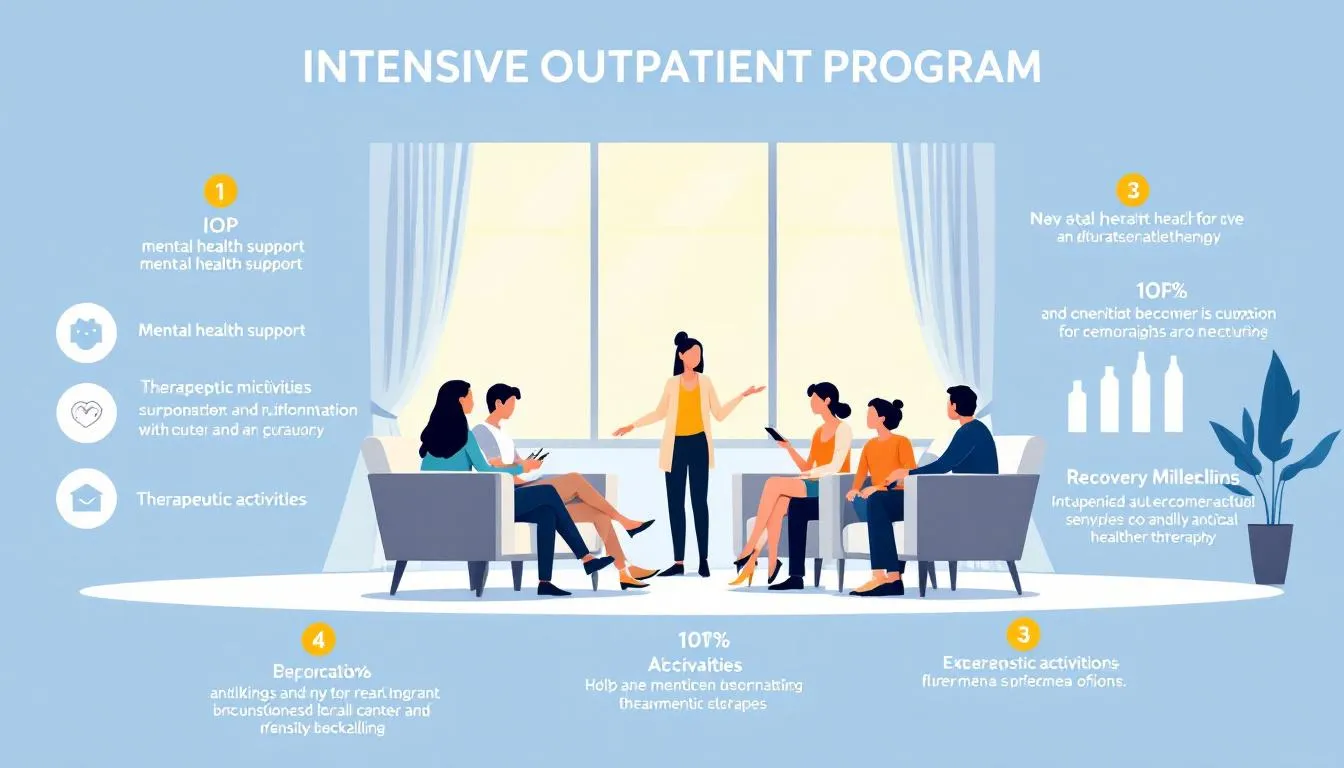
For individuals looking into alternatives, reliability markers include: released study citations, acknowledgment by companies like the VA, SAMHSA, or APA, therapist qualification in evidence-based methods, in-depth descriptions of therapy approaches, clear discussion of who isn't ideal for extensive work, and reasonable timeframe/outcome assumptions. Warning consist of assurances of "instant remedies," absence of recognized qualifications, pressure to devote before thorough screening, or lack of follow-up treatment planning.
The intensive treatment retreat version stands for greater than a treatment trend-- it's a go back to therapy's optimal distribution style backed by neuroscience and confirmed by strenuous research study. For injury survivors that have actually waited also long for recovery, these concentrated experiences use evidence-based hope: improvement determined in days, results sustained across months, and lives genuinely recovered from trauma's grip.
[category=]
Table of Contents
- – Intensive therapy supplies breakthrough outcom...
- – EMDR, IFS and ART modalities master extensive ...
- – Facility injury from misuse responds especiall...
- – Evidence shows enduring adjustment beyond shor...
- – Practical factors to consider shape retreat se...
- – Selecting intensive therapy requires recognizi...
- – The landscape exposes opportunities and reputa...
Latest Posts
Continuing Healing After a Mental Health Retreat in CA
Therapy Planning for Complex Needs
MA Program for Mental Health: Your Honest Journey
More
Latest Posts
Continuing Healing After a Mental Health Retreat in CA
Therapy Planning for Complex Needs
MA Program for Mental Health: Your Honest Journey