Featured
Table of Contents
Clients may not even know that their present signs and symptoms are connected to previous stressful experiences. As a specialist, recognizing these refined indicators permits you to give appropriate support and overview your clients in the direction of healing. Unsettled trauma can substantially affect a customer's progression in therapy, creating obstacles that impede growth and healing.
CBT aids customers in altering trauma-related thoughts and beliefs that add to their distress. With cognitive restructuring, customers discover to recognize and challenge unhelpful thoughts, replacing them with even more well balanced and reasonable point of views. Mindfulness and body recognition practices assist clients attend to physical injury actions by boosting their capacity to regulate their nerve system.
Certain treatments like eye movement desensitization and reprocessing (EMDR) and trauma-focused cognitive behavioral therapy (TF-CBT) directly address trauma memories and their connected emotions. These approaches aid customers refine distressing experiences in a secure and controlled fashion, minimizing the strength of their trauma actions over time. When working with clients that have actually experienced trauma, it is very important to speed the therapeutic procedure according to their private needs and preparedness.
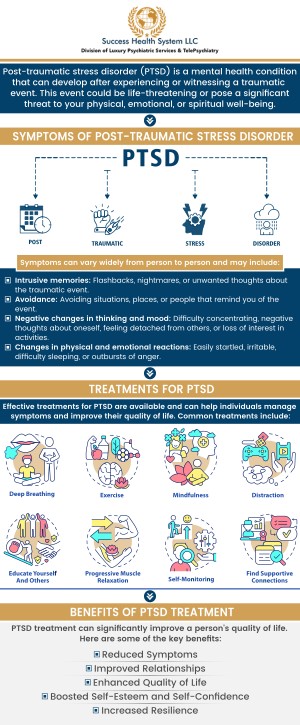
Creating a safe, foreseeable, and helpful atmosphere is very important for clients to feel comfy discovering their injury and creating new coping strategies. This entails developing clear limits, preserving uniformity in sessions, and supplying a non-judgmental room where clients feel listened to and confirmed. The therapist plays a crucial function in creating security and trust fund, which are key for recovery trauma.
Returning to Genuine Needs
Injury survivors often battle with feelings of shame, regret, or self-blame associated to their injury. Specialists can assist ease these sensations by: Recognizing that trauma reactions are typical responses to unusual occasions.
In time, this direct exposure can deeply affect a therapist's worldview, spirituality, and feeling of self. Therapists need to focus on self-care and look for guidance when dealing with clients who have complex injury feedbacks. This consists of: Routine exercise, meditation, leisure activities, and relaxation strategies can aid manage stress and anxiety degrees. Peer support system, supervision, and individual therapy sessions give possibilities to process psychological effects and maintain wellness.
Your Path Toward True Healing
Devoting time to individual relationships, interests, and self-care tasks outside of work is essential for total health. Therapists ought to likewise stay conscious of their very own psychological reactions and just how vicarious injury could affect their practice. This means recognizing common signs and symptoms such as unhappiness, anger, impatience, problem focusing, negative ideas, social withdrawal, exhaustion, and physical issues.
Using culturally responsive services that resolve historic trauma and move past stereotypes. Therapists can use various methods to aid customers handle their trauma feedbacks, such as grounding workouts, cognitive behavior therapy, somatic approaches, and trauma-focused treatments like EMDR and TF-CBT. Pacing the healing process according to the customer's preparedness and preserving a foreseeable, supportive environment are very important for preventing re-traumatization and cultivating a feeling of control.
You may experience: Persistent migraines or migrainesMuscle tension, particularly in the neck and shouldersDigestive issues (like IBS or queasiness)Inexplicable persistent discomfort or fatigueIf medical professionals have informed you your symptoms are "just stress," but nothing appears to assist, your body may be keeping trauma in ways you didn't understand. If any one of this resonates, therapy can aid you recognize, process, and heal.
As specialists, we often listen to the inquiry "Exactly what is a trauma action?" from our customers. It's a fantastic inquiry, and one worth discovering deeply. While most of us utilize the words "injury" and "tension" as if they suggest the very same point in everyday conversation, there's really a lot more to comprehend regarding how injury distinctively affects our psychological health and wellness.
ADD Evaluation and Comprehensive Assessment
Assume of trauma responses as your mind and body's way of securing you when something occurs that really feels too large to take care of. When we experience something frustrating or deeply upsetting, our mind kicks right into survival mode.
Chronic discomfort, exhaustion, muscular tissue tension, sleep disruptions, modifications in cravings, lightheadedness, heart palpitations, chest discomforts, pins and needles, chills, and tremors. Trauma actions can show up in daily scenarios or throughout treatment sessions. Clients might become easily set off, closed down psychologically, or react strongly to certain subjects. They could additionally experience intrusive memories, "zone out" throughout discussions, or struggle to stay existing as a result of emotional numbing or exhaustion.
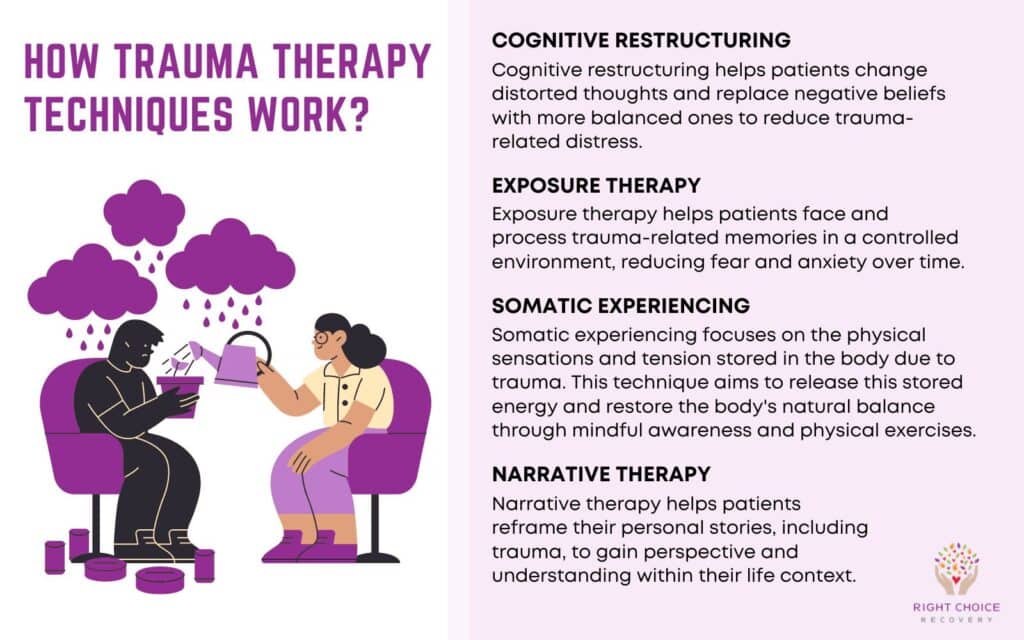
Customers may not even understand that their current symptoms are linked to previous terrible experiences. As a specialist, recognizing these refined indications enables you to offer proper assistance and overview your clients towards healing. Unresolved injury can significantly affect a client's development in treatment, developing challenges that impede development and healing.
CBT aids customers in altering trauma-related thoughts and ideas that add to their distress. Through cognitive restructuring, clients discover to recognize and test purposeless ideas, replacing them with more well balanced and reasonable viewpoints. Mindfulness and body recognition techniques aid customers attend to physical trauma actions by enhancing their capacity to control their nerves.
Building Realistic Capacity Consistent with True Needs
Certain therapies like eye movement desensitization and reprocessing (EMDR) and trauma-focused cognitive behavioral treatment (TF-CBT) straight address trauma memories and their associated feelings. These strategies aid customers process traumatic experiences in a risk-free and controlled way, minimizing the intensity of their injury feedbacks with time. When dealing with customers who have experienced injury, it is necessary to rate the restorative procedure according to their private needs and readiness.
Developing a secure, foreseeable, and supportive environment is crucial for clients to really feel comfortable discovering their injury and establishing new coping approaches. This includes developing clear boundaries, keeping consistency in sessions, and offering a non-judgmental area where customers feel listened to and verified. The therapist plays a vital duty in producing safety and security and trust fund, which are essential for recovery injury.

Latest Posts
Cultural Roots in Trauma Recovery in Oakland, CA
Intergenerational Conflict in Immigrant Families
Choosing the Right Women's Mental Health Counseling Provider in Your Language